
© Tim McClanahan
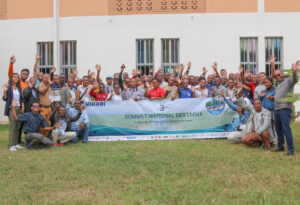
From May 29 to June 2, 2024, the MIHARI network and its partners organized the LMMA 2024 National Summit, bringing together 55 members to address pressing environmental challenges. This year’s summit provided a vital platform for discussions on mitigating the impacts of climate change on coastal communities, emphasizing the need for collaborative and innovative solutions.
Key Focus on Climate Change Mitigation
The summit’s discussions centered around strategies to reduce the adverse effects of climate change, with a particular focus on coastal communities who are most vulnerable to these impacts. One of the primary topics was the introduction and promotion of Ecosystem-Based Adaptation (EbA) methods. This approach highlights the importance of conserving and sustainably managing ecosystems, such as mangroves and coral reefs, to enhance the resilience of coastal areas against climate risks.
Understanding Ecosystem-Based Adaptation (EbA)
During the summit, LMMA leaders were introduced to the concept of Ecosystem-Based Adaptation. EbA leverages natural ecosystems to provide protective services to human communities, thereby mitigating the impacts of climate change. For instance, healthy mangrove forests can act as natural barriers against storm surges and erosion, while vibrant coral reefs can protect shorelines from wave action and support marine biodiversity.
Collaborative Efforts and Knowledge Exchange
The summit facilitated extensive exchanges among LMMA members, fostering a collaborative environment where leaders could share experiences, insights, and best practices. This collaborative spirit is crucial for developing effective adaptation strategies tailored to the unique environmental and socio-economic contexts of different coastal communities.
Engaging with Experts and Partners
The event featured presentations and workshops led by experts in marine conservation and climate adaptation. These sessions provided LMMA leaders with the knowledge and tools needed to implement EbA strategies effectively. Partners from various environmental organizations and research institutions contributed to these discussions, enriching the summit with diverse perspectives and expertise.
Commitment to Sustainable Management
The LMMA 2024 National Summit reaffirmed the commitment of the MIHARI network and its partners to the sustainable management of marine and coastal ecosystems. By promoting EbA, the summit highlighted the critical role that healthy ecosystems play in enhancing community resilience and ensuring sustainable livelihoods.
Looking Forward
As the summit concluded, participants left with a renewed sense of purpose and actionable strategies to address climate change impacts in their respective communities. The knowledge and connections gained during the summit will undoubtedly contribute to more effective and sustainable conservation efforts across the LMMA network.
The LMMA 2024 National Summit stands as a testament to the power of collaboration and innovation in tackling one of the most pressing issues of our time. By embracing Ecosystem-Based Adaptation, the MIHARI network and its partners are taking significant steps towards a more resilient and sustainable future for coastal communities.