
Introduction
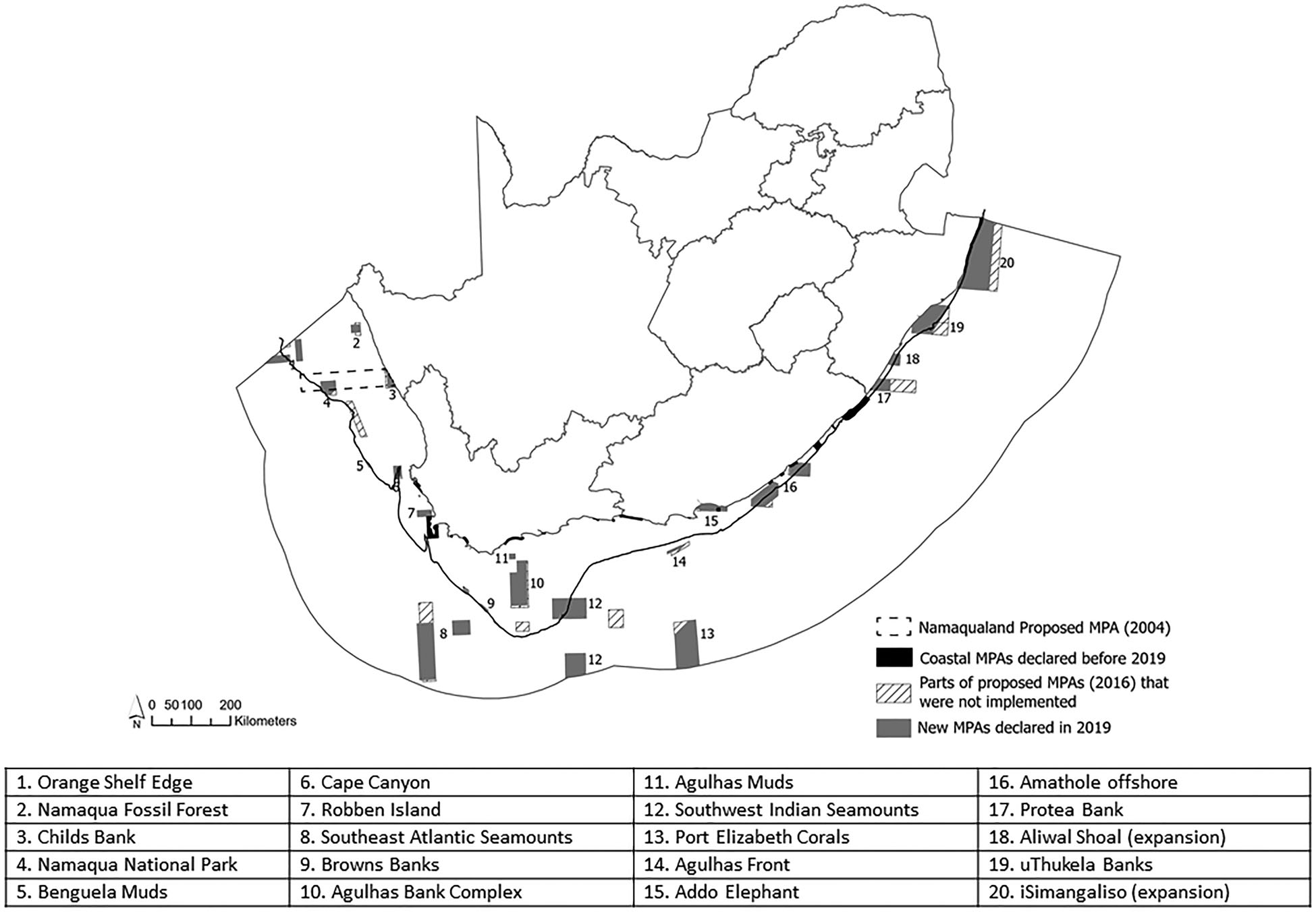 In the world of marine conservation, South Africa has recently emerged as a shining example of what can be accomplished through strategic planning and inclusive stakeholder engagement. A groundbreaking paper titled “Integrated systematic planning and adaptive stakeholder process support a 10-fold increase in South Africa’s Marine Protected Area estate” by a team of dedicated researchers highlights the country’s remarkable achievement. In just 5% of its ocean area, South Africa has succeeded in safeguarding an impressive 87% of its 150 marine ecosystem types. Let’s delve into the inspiring story behind this significant accomplishment and discover the lessons it offers for marine conservation worldwide.
The Journey: From Planning to Implementation
Over the course of 15 years, South Africa embarked on an ambitious mission to establish an ecologically representative Marine Protected Area (MPA) network that would simultaneously meet biodiversity and fisheries management goals while minimizing the impact on offshore stakeholders. The process was far from easy, as it required navigating through contentious areas that had been recognized as vital for conservation decades ago. However, South Africa’s systematic conservation planning (SCP) approach, supported by an inclusive stakeholder process, provided a solid foundation for success.
Inclusive Stakeholder Engagement
One of the cornerstones of South Africa’s achievement was the involvement of diverse stakeholders throughout the planning and implementation stages. By listening to the perspectives of all relevant parties and fostering dialogue, conflicts were reduced, and priority areas were identified. This inclusive approach not only ensured transparency but also facilitated the navigation of complex trade-offs. South Africa’s commitment to balancing conservation objectives with the needs of the ocean economy exemplifies the power of collaborative decision-making.
Scientific Rigor and Adaptive Planning
South Africa’s systematic planning process was fortified by the integration of 532 data layers, ensuring that the resulting MPA network represented a broad spectrum of marine ecosystems. By leveraging scientific evidence and embracing multiple scenarios, South Africa achieved spatial efficiency without compromising conservation goals. The iterative improvements made along the way increased transparency, supported ocean zonation efforts, and enabled balanced compromises. This evidence-based approach provides a blueprint for other nations striving to preserve their marine biodiversity while managing economic activities.
Challenges, Enabling Factors, and Lessons Learned
The journey towards South Africa’s remarkable achievement was not without its challenges. However, by identifying key enabling factors and learning from setbacks, valuable lessons emerged. The flexibility of the systematic planning approach, combined with adaptive social processes that remained open to opportunities, played instrumental roles in aligning the MPA network with the country’s ocean economy goals. South Africa’s experience demonstrates that adaptability, resilience, and a commitment to evidence-based decision-making are crucial for the successful implementation of representative MPA networks.
A Call to Action
South Africa’s accomplishment serves as an inspiration for the global community committed to marine conservation. As we celebrate this milestone, we must remember that our journey towards a sustainable future continues. Let us draw from the lessons shared in the paper and prioritize evidence-based systematic planning, inclusive stakeholder engagement, and adaptive processes. By working together, we can forge a path towards thriving oceans, where biodiversity flourishes, livelihoods are secure, and the delicate balance between ecological preservation and sustainable resource utilization is maintained.
South Africa’s achievement in protecting 87% of its 150 marine ecosystem types within just 5% of its ocean area is a testament to the country’s unwavering dedication to conservation. By combining systematic planning with inclusive stakeholder engagement, South Africa has shown the world what can be accomplished when science, collaboration, and perseverance intersect. Let us celebrate this remarkable milestone and use it as a catalyst for even greater global efforts in marine protection. Together, we can build a future where our oceans!
Links: https://conbio.onlinelibrary.wiley.com/doi/full/10.1111/conl.12954