
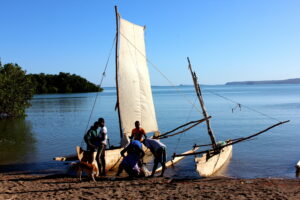
 Nosy Hara National Park, located in the mesmerising Nosy Hara Archipelago, is a true gem renowned for its exceptional biodiversity. With its stunning landscapes and rich ecosystems, this national park offers a haven for numerous marine, coastal, and terrestrial species. The archipelago also holds a captivating history, particularly in the areas of Nosy Kova and Ambovobe, making it a significant conservation area and a major attraction for ecotourism. Let’s explore the wonders of this unique destination.
Unveiling Natural Marvels:
Nosy Hara National Park, established in 2005 and officially approved in 2011, is classified as a Category II protected area by the International Union for Conservation of Nature (IUCN). Its primary focus is to safeguard and conserve the diverse natural and cultural heritage found within its boundaries. The park is home to endemic and rare species like the Madagascar Pygargue, Zonosaurus tsingy, and the world’s smallest vertebrates, Brookesia micra (chameleon) and Rhombo Phryne hara (frog). It is also a vital nesting site for marine turtles in the Indian Ocean and a feeding ground for endangered species like the dugong and fishing eagle.
Ecotourism Delights:
Nosy Hara offers a plethora of ecotourism activities that allow visitors to immerse themselves in its breathtaking beauty. Six captivating circuits await exploration: the Brookesia micra circuit, Tsingy Mitsiry circuit, cliff circuit, tour of the islands by boat, snorkeling by scuba diving, and the mangrove circuit. Whether you choose to witness the vibrant coral gardens, embark on a hiking adventure through the unique tsingy formations, or indulge in water sports and wildlife observation, Nosy Hara guarantees an unforgettable experience for nature enthusiasts and adventure seekers alike.
Location and Biodiversity:
Situated in the extreme northwest of Madagascar, the Nosy Hara Archipelago covers an area between Cap Vahilava, Cap Anorontany, and Cap d’Ambre. It encompasses numerous islets, including the Tsingy karstic islets, Nosy Lakandava, Nosy Lakandalovo Andavakalovo, Nosy Anjombavola, Nosy Andrantsara Andatsara, Nosy Belomotra, Nosy Ambatomaranitra, Nosy Mely, and more. The marine landscape dominates the area, making up 83% of the total surface, while the terrestrial environment stretches 2 to 5 kilometers wide. The archipelago boasts an impressive array of habitats, including coral reefs, mangroves, seagrass beds, volcanic and limestone islets, and dense dry forests, harbouring an incredible biodiversity that includes over 279 coral and reef fish species, 108 species of coral, 59 species of mollusks, 30 species of birds, 18 species of reptiles, and 2 species of Baobab, among others.
Challenges and Conservation Efforts:
The natural resources of Nosy Hara face numerous threats due to human activities. Poaching of sea turtles, unauthorised anchoring, felling of mangrove forests, and overfishing pose significant challenges. Climate change impacts, such as coral bleaching and coastal erosion, further jeopardise the delicate balance of the ecosystems. However, Madagascar National Parks, in collaboration with local communities, has implemented a collaborative management approach to address these concerns. Through co-management, community participation, and capacity building, conservation efforts are being strengthened, and awareness is being raised among both locals and visitors to protect and sustainably manage the archipelago’s resources.
Towards a Sustainable Future:
The Nosy Hara Archipelago is not only a natural treasure but also a valuable asset for the local communities. By supporting sustainable fishing practices, promoting eco-friendly tourism, and engaging in restoration projects, stakeholders are striving to ensure the long-term well-being of both the environment and the people who depend on it. Collaborative initiatives, including capacity building, the establishment of protected areas committees, and the use of advanced management tools, are paving the way for effective conservation and improved governance. So far C3, under its BIOPAMA project entitled “Strengthening the co-management of Nosy Hara Marine National Park to ensure sustainable management of marine resources and increase the resilience of local communities to climate change” has achieved success in : registration of 676 CLPs, 37% of whom are women, fisher cards for more than 1000 fishermen, 10 ha of mangrove restoration in 5 different area, materials and equipment including smartphones, GPS and boats that will facilitate CLP patrols.
Nosy Hara Archipelago stands as a testament to the remarkable biodiversity and natural beauty found in Madagascar. Its stunning landscapes, diverse ecosystems, and captivating history make it a must-visit destination for nature lovers and adventure seekers. Through collaborative conservation efforts and sustainable practices, the archipelago’s unique flora and fauna will continue to thrive, providing future generations with an invaluable natural heritage to cherish and protect.