
Introduction:
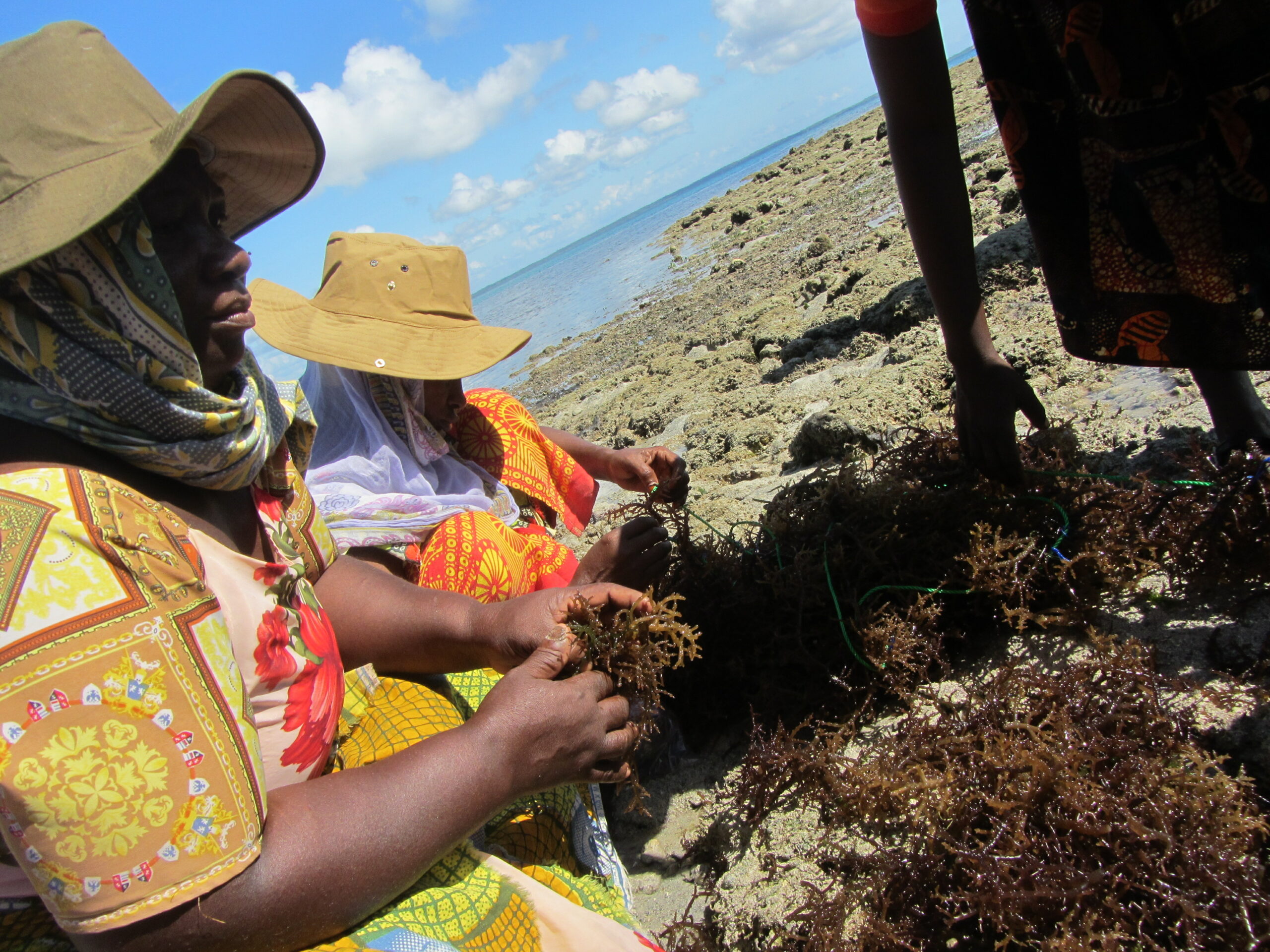 In the idyllic waters of Mafia Island, a remarkable initiative is empowering local coastal communities through sustainable seaweed farming. Recognizing the need to preserve fishing stocks while providing livelihood opportunities, Mafia Island and Marine Parks (MIMP), in collaboration with esteemed partners such as WWF Tanzania and the Fisheries Education Training Agency-Mbegani, have embarked on a journey to train and support seaweed farmers. This transformative project not only uplifts the lives of community members but also promotes the sustainable utilization of our precious ocean resources. Let’s delve into this inspiring story of resilience and empowerment.
Unlocking Potential through Training:
In a bid to equip coastal communities with the knowledge and skills required for successful seaweed farming, MIMP and their partners hosted a training program. Fifty-nine seaweed farmers from Chole Island, Jibondo Island, and Juani Island, part of the Mafia Island archipelago, participated in this initiative, generously funded by the Blue Action Fund (BAF). The training focused on best practices in seaweed farming, aligning with the growing demand in national and global markets.
Liberating Communities from Poverty:
Recognizing the need for sustainable economic alternatives, WWF, in collaboration with MIMP and the Mafia District Council, facilitated the establishment of Village Community Bank (VICOBA) groups. These groups provide crucial capital funds to empower local communities within MIMP to establish sustainable businesses, breaking the chains of poverty. Seaweed farming emerged as a promising business option, offering economic stability while reducing overdependence on fisheries for livelihoods. To ensure the success and sustainability of this venture, WWF, MIMP, and the Mafia District Council identified the need to build the capacity of seaweed farmers in every aspect of the process, from cultivation to processing and marketing.
Transforming Practices and Lives:
The impact of the training has been transformative, empowering farmers with essential knowledge and skills. Previously, farmers would dry their harvested seaweed on bare grounds, compromising its quality and making it vulnerable to adverse weather conditions. Through the training, farmers have learned to dry their seaweed on hanging ropes and tables, ensuring improved quality and increased market value. Additionally, the program has empowered farmers to calculate their investments, project profits, and optimize the farming process by understanding factors such as rope length, installation heights, and seed quantity. The newfound knowledge has not only enhanced their productivity but also instilled a sense of hope for a brighter future.
Sustainable Practices for a Resilient Future:
Promoting sustainable practices like seaweed farming is pivotal in preserving the ocean’s natural resources and reducing overdependence on fisheries. By embracing seaweed farming, the local coastal community can improve their livelihoods while safeguarding the fragile fish stock. These sustainable endeavors pave the way for a brighter future, benefiting current and future generations alike.
Building a Thriving Seaweed Industry:
Looking ahead, WWF and MIMP are committed to helping the trained seaweed farmers access markets by providing necessary facilities and materials for value chain addition. This support will enable farmers to process diverse seaweed-based products, including cosmetics. Moreover, they call upon national intervention to structure the Tanzania seaweed market and establish fair pricing models, reducing the influence of intermediaries and ensuring profitability for local farmers.
Conclusion:
The journey of communities in Mafia Island towards empowerment through seaweed farming serves as an inspiring example of sustainable development. By harnessing the potential of our oceans while respecting their delicate balance, we can uplift livelihoods, protect marine ecosystems, and create a better future for all. Let us celebrate the efforts of MIMP, WWF Tanzania, and their partners, and continue to support initiatives that drive positive change for our coastal communities and the environment. Together, we can build a resilient world where communities thrive and the ocean’s wonders endure.