
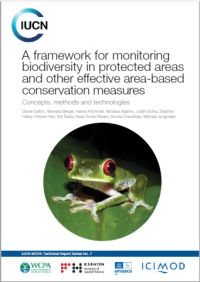
 In the realm of biodiversity conservation, effective monitoring frameworks play a pivotal role in assessing and preserving ecological integrity. Recently published by a consortium of experts, the guidelines titled “A Framework for Monitoring Biodiversity in Protected Areas and Other Effective Area-Based Conservation Measures” represent a significant milestone in this field.
Overview of the Guidelines
Authored by a team including Daniel Dalton, Vanessa Berger, and Hanns Kirchmeir, among others, the guidelines aim to standardize monitoring practices across diverse conservation landscapes. They emphasize the importance of systematic data collection and analysis in understanding biodiversity trends within protected areas and other conservation measures.
Key Components
The framework outlines several key components essential for robust biodiversity monitoring:
- Standardized Protocols: Providing clear methodologies for data collection, ensuring consistency and comparability across different regions and ecosystems.
- Indicator Species: Identifying and monitoring indicator species to gauge overall ecosystem health and detect changes over time.
- Adaptive Management: Emphasizing adaptive management strategies based on monitoring outcomes to enhance conservation effectiveness.
- Integration of Technology: Leveraging technological advances such as remote sensing and data analytics for comprehensive monitoring.
Importance of Protected Areas and OECMs
Protected areas and other effective area-based conservation measures (OECMs) are critical tools in halting the global decline in biodiversity. Systematic site-based monitoring of biodiversity and conservation outcomes is essential for evidence-based adaptive management. It allows managers to assess whether conservation goals are being met and to make informed decisions about management strategies.
Practical Applications
These guidelines are designed to be adaptable to various conservation contexts, from terrestrial to marine environments. They advocate for stakeholder engagement and capacity building, ensuring local communities and conservation practitioners can actively participate in and benefit from monitoring efforts.
Importance for Conservation Practice
Incorporating these guidelines into conservation practice enhances the ability to meet international biodiversity targets such as those outlined in the Convention on Biological Diversity (CBD). By providing a standardized approach, they facilitate informed decision-making, policy formulation, and adaptive management strategies.
Looking Forward
As we navigate the complexities of global biodiversity loss and climate change, frameworks like these serve as crucial tools for resilience and sustainability. They enable us to monitor progress towards conservation goals effectively while fostering collaboration and knowledge exchange among stakeholders worldwide.
Conclusion
The release of “A Framework for Monitoring Biodiversity in Protected Areas and Other Effective Area-Based Conservation Measures” marks a significant advancement in biodiversity monitoring practices. It underscores the collective commitment to preserving our planet’s rich natural heritage for future generations. By implementing these guidelines, we can work towards achieving a harmonious balance between human activities and the conservation of biodiversity worldwide.
Stay tuned for more updates as these guidelines are implemented and refined in conservation efforts globally.