
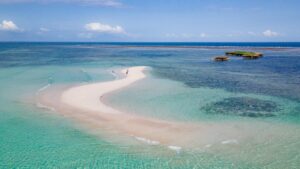
 The Kisite Mpunguti Marine Park & Reserve on Kenya’s south coast is a treasured destination for tourists and nature lovers, offering breathtaking views and diverse marine life. However, the increasing popularity of the area has brought challenges, including damage to coral reefs caused by improper anchoring by tourism boats. To address this, the Kenya Wildlife Service (KWS) Kisite Mpunguti team, in collaboration with boat operators, has taken proactive steps by installing additional mooring buoys in key tourism zones. This initiative aims to protect the delicate coral ecosystems while ensuring sustainable tourism practices.
About Kisite Mpunguti Marine Park & Reserve
Kisite Mpunguti Marine Park & Reserve encompasses a total area of 39 km², with the Kisite Marine Park covering 28 km² and the Mpunguti Reserve spanning 11 km². The park is renowned for its pristine coral reefs, vibrant marine life, and scenic landscapes. It attracts thousands of tourists each year who come to enjoy activities like snorkeling, scuba diving, and wildlife watching.
The current management plan for Kisite Mpunguti Marine Park & Reserve employs a zonation approach to balance human activities with conservation goals. Kisite Marine National Park, which includes Kisite Island and Makokokwe Reef, prohibits fishing and other extractive activities but allows recreational activities and research with minimal environmental impact.
The Importance of Mooring Buoys
Kisite Island and its surrounding areas, including the coral garden and Kisite Sand Bar, are among the most frequented sites within the park. With the high volume of tourism boats, improper anchoring has become a significant issue, causing damage to coral reefs. When boats anchor directly onto the reefs, the heavy anchors and chains can break and destroy these fragile ecosystems.
To mitigate this problem, the KWS Kisite Mpunguti team worked closely with local boat operators to install additional mooring buoys. These buoys provide designated anchorage points, allowing tourism boats to moor safely without causing harm to the coral reefs. This initiative is part of a broader effort to promote sustainable tourism and protect the marine environment.
The Installation Process
The installation of mooring buoys involved several key steps. First, the team constructed dedicated weights to serve as stable anchoring points. The buoys were then installed at suitable sites near Kisite Island, ensuring they were strategically placed to guide tourism boats during anchorage. This collaborative effort with boat operators demonstrates a shared commitment to preserving the park’s natural beauty while supporting the tourism industry.
A Step Towards Sustainable Tourism
The installation of mooring buoys at Kisite Marine Park Tourism Zone is a significant step towards sustainable tourism practices in the area. By providing a safe and environmentally friendly solution for anchoring, the initiative helps protect coral reefs and other marine habitats. It also sets an example for other marine parks and reserves facing similar challenges.
The collaborative approach taken by the KWS Kisite Mpunguti team and boat operators reflects the importance of involving local stakeholders in conservation efforts. With the continued support of the community and a focus on sustainable tourism, Kisite Mpunguti Marine Park & Reserve can remain a thriving destination for generations to come.
Visitors to the park can now enjoy its natural beauty and abundant marine life while knowing their activities are contributing to the preservation of this unique ecosystem. By following the guidelines for anchoring and supporting conservation initiatives, tourists play a crucial role in ensuring the long-term sustainability of Kisite Mpunguti Marine Park & Reserve.